
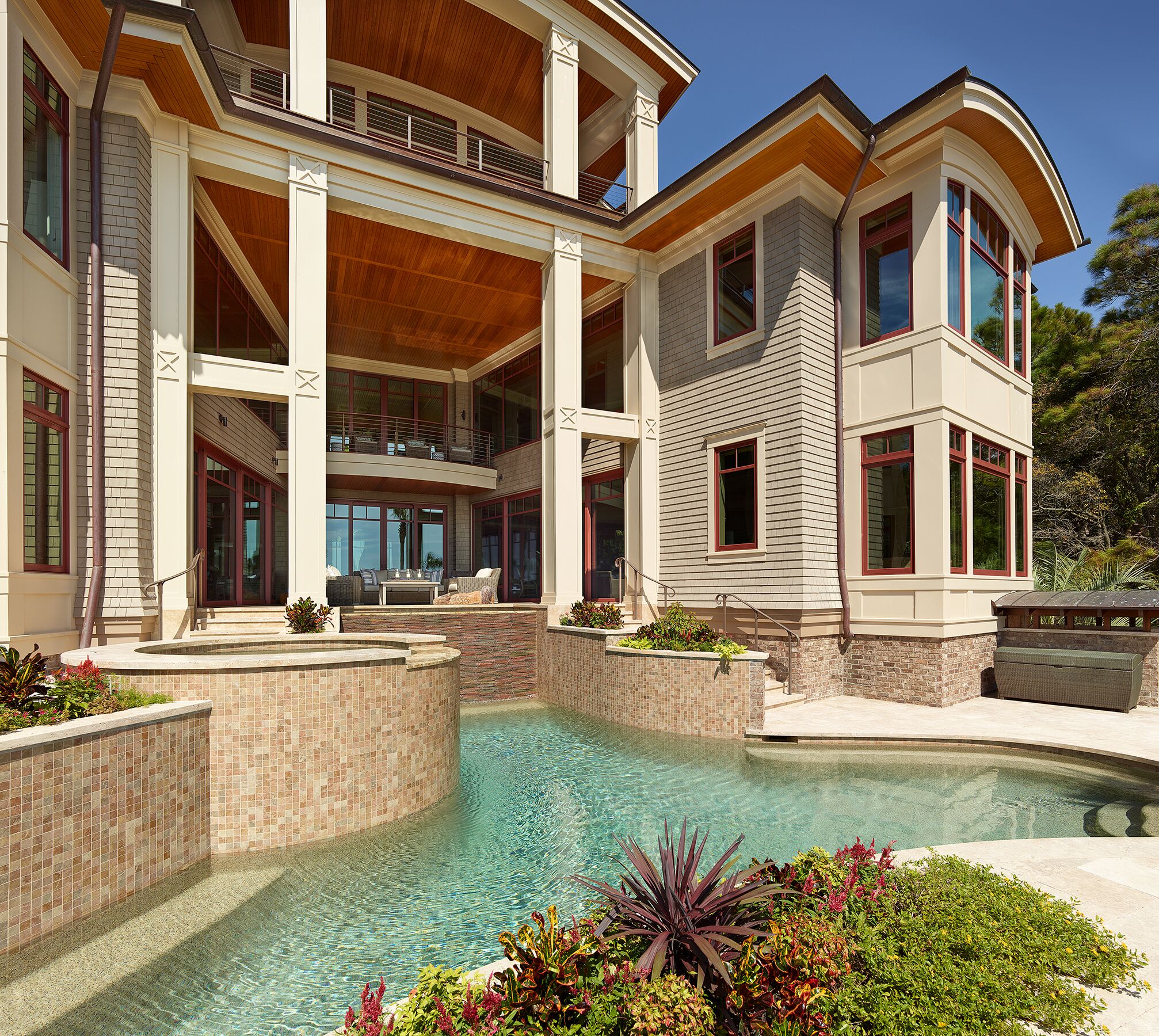

Melbourne homeowners want pools that match the quality of their homes. Backyards across the city range from compact inner-suburban courtyards to large bayside and hillside estates. Indeed, luxury residential pool construction in this city requires careful design, strong engineering, and a clear understanding of local conditions. This article explains what owners should expect from planning to completion.
Key Takeaways
- Melbourne’s variable weather affects pool design, heating choices, and material selection.
- Clay soils and sloping sites often call for detailed engineering and deeper footings.
- Council planning rules and building permits apply to nearly every high-end pool.
- Custom features such as infinity edges, spas, and swim-out ledges suit many local properties.
- Heating, covers, and efficient pumps extend the swimming season and reduce running costs.
- A staged timeline helps owners plan around permits, weather, and landscaping.
- Reviewing a builder’s past projects and Aquarius Pools’ official website helps owners compare options with confidence.
What Sets a Luxury Pool Apart
A high-end pool involves far more than extra size. Specifically, it combines custom design, premium finishes, and integrated technology. Owners often select natural stone coping, glass mosaic tiles, and automated lighting.
Moreover, the pool should suit the home and garden. For example, a designer may align the water edge with a living area or an outdoor kitchen. Good design makes the pool feel like an original part of the property.
Melbourne Climate and Design Choices
Melbourne is known for changeable weather. Warm days can give way to cool evenings, and summers vary from year to year. Therefore, many owners plan for heating and insulation from the start.
Solar panels, heat pumps, and thermal covers all help. In addition, a sheltered layout with screens or planting reduces wind chill. Not only do these choices improve comfort, but they also lower energy use over time.
Block Size, Access, and Soil Conditions
Melbourne sites differ widely. Inner suburbs often have narrow lots with limited machinery access, whereas outer suburbs offer larger yards. As a result, builders assess access routes before they finalize the design.
Soil matters just as much. Reactive clay is common in many areas, and it expands and contracts with moisture. Consequently, engineers often recommend a geotechnical report. Sloping blocks may also need retaining walls and careful drainage to protect the shell.
Council Permits and Planning Rules
Pool projects in Victoria generally need a building permit and a compliant safety barrier. Furthermore, some properties face planning overlays for heritage, vegetation, or flooding. Councils review these factors before they approve construction.
Owners should confirm requirements early. For instance, setback rules may limit where the pool can sit on the block. A builder who knows local council processes can prepare accurate documents and reduce review delays.
Popular Features in Premium Pools
Melbourne owners tend to favor features that support both relaxation and entertaining. The following options appear often in custom projects:
- Infinity or vanishing edges that frame garden or city views.
- Integrated spas with raised walls or spillways.
- Swim-out ledges and tanning shelves for lounging.
- Automated covers, smart controls, and lighting scenes.
- Fire features and outdoor kitchens beside the pool.
However, each addition affects budget and engineering. Owners should rank their priorities before they approve the final design.
Materials and Equipment That Last
Durable materials protect the pool through seasonal changes. Quartz and pebble interiors resist staining, while porcelain and natural stone handle heavy foot traffic. Accordingly, builders choose products that tolerate temperature swings and regular use.
Equipment also plays a major role. Variable-speed pumps, efficient heaters, and automated chemical systems reduce effort and cost. In particular, a quality cover limits evaporation and heat loss. These upgrades cost more at first, yet they often pay back over the years.
Construction Stages and Timing
A typical build follows a clear order. First, crews excavate and install steel reinforcement. Next, they form the shell and complete plumbing and electrical work. Subsequently, tilers apply finishes, and landscapers restore the surrounding area.
Weather influences the schedule. Many owners start in autumn or winter so the pool is ready for summer. Nevertheless, heavy rain can delay excavation. A flexible program from the builder keeps everyone informed and prepared.
Budgeting and Quotes
Costs depend on size, site difficulty, and finishes. A flat, accessible block costs less to excavate than a steep or restricted one. Likewise, an infinity edge needs a balance tank and extra structural work.
Owners should ask for an itemized quote. In other words, the document should list excavation, shell, finishes, equipment, and landscaping separately. It should also include allowances for unexpected ground conditions. Clear figures make comparisons easier and prevent disputes.
Choosing the Right Melbourne Builder
Experience, transparency, and communication matter most. Ask to see completed projects, client references, and licence details. Moreover, confirm whether the builder manages design, permits, and aftercare under one contract.
Homeowners can also review portfolios and service details on Aquarius Pools’ official website before they make contact. A good builder listens first, explains trade-offs in plain language, and respects the budget. Visiting finished pools gives a direct view of workmanship.


